EPUB · English
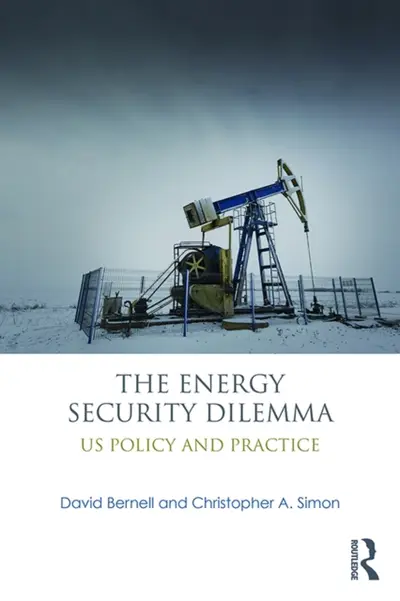
Energy Security Dilemma
US Policy and Practice
Price and availability
$67.99
Available in: Andorra, Austria, Australia, Belgium, Bulgaria, Canada, Switzerland, Cyprus, Czechia, Germany, Denmark, Estonia, Spain, Finland, France, United Kingdom, Guernsey, Greece, Croatia, Hungary, Ireland, Isle of Man, Iceland, Italy, Jersey, Japan, Liechtenstein, Lithuania, Luxembourg, Latvia, Monaco, Malta, Netherlands, Norway, Poland, Portugal, Romania, Sweden, Slovenia, Slovakia, San Marino, United States, Vatican City, South Africa
Stores: US, UK, Canada, EU, Australia.
Sign in to buyThe price is re-checked by the server before payment.
For personal use under the eBook licence.
- Format
- EPUB
- DRM
- Not stated by the publisher
- Language
- English
- Publisher
- Taylor & Francis
- Published
- 14 April 2016
- ISBN
- 9781136731648
- Subjects
- USA, Energy resources, Central / national / federal government policies, Geopolitics, Climate change
About this book
This book analyzes the energy security of the United States - its ability to obtain reliable, affordable, and sufficient supplies of energy while meeting the goals of achieving environmental sustainability and protecting national security. The economic and national security of the United States is largely dependent upon fossil fuels, especially oil. Without significant changes to current practices and patterns of energy production and use, the domestic and global impacts - security, economic, and environmental - are expected to become worse over the coming decades. Growing US and global energy demands need to be met and the anticipated impacts of climate change must be avoided - all at an affordable price, while avoiding conflict with other nations that have similar goals.Bernell and Simon examine the current and prospective landscape of American energy policy, from tax incentives and mandates at the federal and state level to promote wind and solar power, to support for fracking in the oil and natural gas industries, to foreign policies designed to ensure that markets and cooperative agreements - not armies, navies and rival governments - control the supply and price of energy resources. They look at the variety of energy related challenges facing the United States and argue that public policies designed to enhance energy security have at the same time produced greater insecurity in terms of fostering rising (and potentially unmet) energy needs, national security threats, economic vulnerability, and environmental dangers.
Bibliographic data © Gardners Books Ltd.