PDF · English
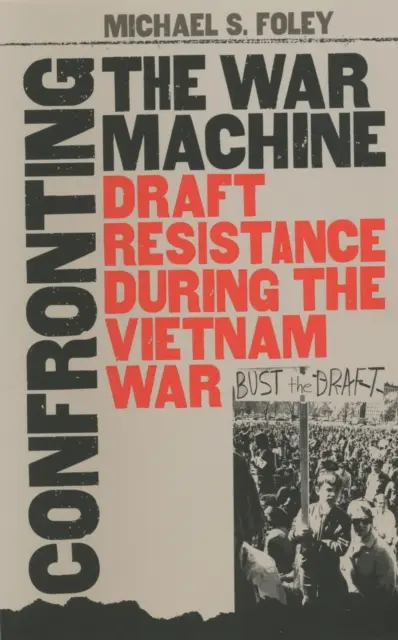
Confronting the War Machine
Draft Resistance during the Vietnam War
Price and availability
$40.99
Available in: Andorra, Austria, Australia, Belgium, Bulgaria, Canada, Switzerland, Cyprus, Czechia, Germany, Denmark, Estonia, Spain, Finland, France, United Kingdom, Guernsey, Greece, Croatia, Hungary, Ireland, Isle of Man, Iceland, Italy, Jersey, Japan, Liechtenstein, Lithuania, Luxembourg, Latvia, Monaco, Malta, Netherlands, Norway, Poland, Portugal, Romania, Sweden, Slovenia, Slovakia, San Marino, United States, Vatican City, South Africa
Stores: US, UK, Canada, EU, Australia.
Sign in to buyThe price is re-checked by the server before payment.
For personal use under the eBook licence.
- Format
- DRM
- Not stated by the publisher
- Language
- English
- Publisher
- The University of North Carolina Press
- Published
- 20 November 2003
- ISBN
- 9780807862438
- Subjects
- Vietnam, USA, c 1960 to c 1970, Asian history, History of the Americas, Military history, Vietnam War, Politics & government, Political activism, Battles & campaigns, Other warfare & defence issues, Vietnam, United States of America, USA, Politics and government, History of the Americas, Military history: post-WW2 conflicts
About this book
Shedding light on a misunderstood form of opposition to the Vietnam War, Michael Foley tells the story of draft resistance, the cutting edge of the antiwar movement at the height of the wars escalation. Unlike so-called draft dodgers, who left the country or manipulated deferments, draft resisters openly defied draft laws by burning or turning in their draft cards. Like civil rights activists before them, draft resisters invited prosecution and imprisonment.Focusing on Boston, one of the movements most prominent centers, Foley reveals the crucial role of draft resisters in shifting antiwar sentiment from the margins of society to the center of American politics. Their actions inspired other draft-age men opposed to the war especially college students to reconsider their place of privilege in a draft system that offered them protections and sent disproportionate numbers of working-class and minority men to Vietnam. This recognition sparked the change of tactics from legal protest to mass civil disobedience, drawing the Johnson administration into a confrontation with activists who were largely suburban, liberal, young, and middle class the core of Johnsons Democratic constituency.Examining the day-to-day struggle of antiwar organizing carried out by ordinary Americans at the local level, Foley argues for a more complex view of citizenship and patriotism during a time of war.
Bibliographic data © Gardners Books Ltd.