EPUB · English
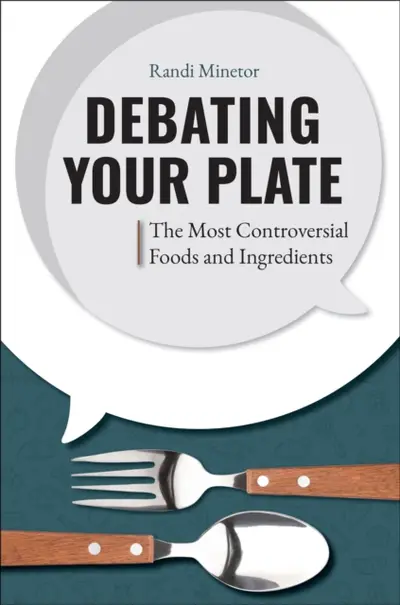
Debating Your Plate
The Most Controversial Foods and Ingredients
- Society & social sciences
- Technology & engineering
- Medicine & health
- Personal development & relationships
Price and availability
$26.99
Available in: Andorra, Austria, Australia, Belgium, Bulgaria, Canada, Switzerland, Cyprus, Czechia, Germany, Denmark, Estonia, Spain, Finland, France, United Kingdom, Guernsey, Greece, Croatia, Hungary, Ireland, Isle of Man, Iceland, Italy, Jersey, Japan, Liechtenstein, Lithuania, Luxembourg, Latvia, Monaco, Malta, Netherlands, Norway, Poland, Portugal, Romania, Sweden, Slovenia, Slovakia, San Marino, United States, Vatican City, South Africa
Stores: US, UK, Canada, EU, Australia.
Sign in to buyThe price is re-checked by the server before payment.
For personal use under the eBook licence.
- Format
- EPUB
- DRM
- Not stated by the publisher
- Language
- English
- Publisher
- Bloomsbury Publishing (USA)
- Published
- 5 November 2021
- Pages
- 232
- ISBN
- 9781440874369
- Subjects
- Food & society, Dietetics & nutrition, Food & beverage technology, Diets & dieting, JBCC4, Dietetics and nutrition, Food and beverage technology, Health: Diets and nutrition
About this book
Examining the most controversial foods and ingredients, this book provides an objective, well-balanced look at their health benefits and risks. It equips readers with the information they need to make their own informed decisions about what they eat.Most people aspire to eat healthy, but what exactly does that mean? While some foods like vegetables are universally acknowledged as beneficial, and others like added sugars are widely condemned, many foods have a more controversial reputation.Debating Your Plate: The Most Controversial Foods and Ingredients offers in-depth coverage of some of the most hotly-debated items on grocery store shelves and dinner plates. Each entry provides thorough background and contextual information before examining the unique issues and controversies that surround that food or ingredient. Written in clear, unbiased language, the book allows readers to form their own opinions about which items to include in their diet and which to avoid. On a larger scale, the book also examines why nutrition science is so prone to controversy and ambiguity, and it offers readers guidance on how to evaluate health claims for themselves.
Bibliographic data © Gardners Books Ltd.