EPUB · English
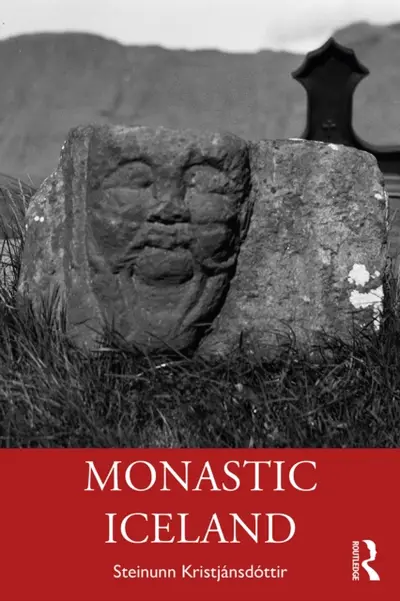
Monastic Iceland
Price and availability
$50.99
Available in: Andorra, Austria, Australia, Belgium, Bulgaria, Canada, Switzerland, Cyprus, Czechia, Germany, Denmark, Estonia, Spain, Finland, France, United Kingdom, Guernsey, Greece, Croatia, Hungary, Ireland, Isle of Man, Iceland, Italy, Jersey, Japan, Liechtenstein, Lithuania, Luxembourg, Latvia, Monaco, Malta, Netherlands, Norway, Poland, Portugal, Romania, Sweden, Slovenia, Slovakia, San Marino, United States, Vatican City, South Africa
Stores: US, UK, Canada, EU, Australia.
Sign in to buyThe price is re-checked by the server before payment.
For personal use under the eBook licence.
- Format
- EPUB
- DRM
- Not stated by the publisher
- Language
- English
- Publisher
- Taylor & Francis
- Published
- 30 December 2022
- ISBN
- 9781000830156
- Subjects
- Iceland, c 500 CE to c 1000 CE, European history, Medieval history, Archaeology, Archaeology by period / region, Christian institutions & organizations, Christian communities & monasticism, Iceland, European history: medieval period, middle ages, Archaeology, Roman Catholicism, Roman Catholic Church
About this book
This book provides an overview of medieval monasticism in Iceland, from its dawn to its downfall during the Reformation.Blending the evidence from material remains and written documents, Monastic Iceland highlights the realities of everyday life in the male and female monasteries operated in Iceland. The book describes the incorporation of monasticism into the Icelandic society, the alleged land of the Vikings, and thus how the monasteries coexisted with the natural and social environments on the island while keeping their general aims and objectives. The book shows that large social systems, such as monasticism, can cross social and natural borders without necessitating fundamental changes apart from those triggered by the constant coexistence of nature and culture inside the environment they exist within. The evidence provided debunks the myth that Icelandic monasteries, male or female, were isolated, silent places or simple cells functioning principally as retirement homes for aristocrats. To be a member of an ecclesiastical institution did not mean a quiet, secluded life without any outside interaction, but rather active participation in the surrounding community.The book is for researchers in archaeology, osteology, and medieval history, in addition to all those interested in monasticism and the medieval history of northern Europe.
Bibliographic data © Gardners Books Ltd.