PDF · English
Mudpacks and Prozac
Experiencing Ayurvedic, Biomedical, and Religious Healing
Price and availability
$59.99
Available in: Andorra, Austria, Australia, Belgium, Bulgaria, Canada, Switzerland, Cyprus, Czechia, Germany, Denmark, Estonia, Spain, Finland, France, United Kingdom, Guernsey, Greece, Croatia, Hungary, Ireland, Isle of Man, Iceland, Italy, Jersey, Japan, Liechtenstein, Lithuania, Luxembourg, Latvia, Monaco, Malta, Netherlands, Norway, Poland, Portugal, Romania, Sweden, Slovenia, Slovakia, San Marino, United States, Vatican City, South Africa
Stores: US, UK, Canada, EU, Australia.
Sign in to buyThe price is re-checked by the server before payment.
For personal use under the eBook licence.
- Format
- DRM
- Not stated by the publisher
- Language
- English
- Publisher
- Taylor & Francis
- Published
- 17 September 2016
- ISBN
- 9781315424286
- Subjects
- Comparative religion, Social & cultural anthropology, ethnography, Mental health services, Complementary therapies, healing & health, Ayurvedic therapies, Kerala, Social and cultural anthropology, Complementary, integrated and alternative medicine and therapies, Comparative religion
About this book
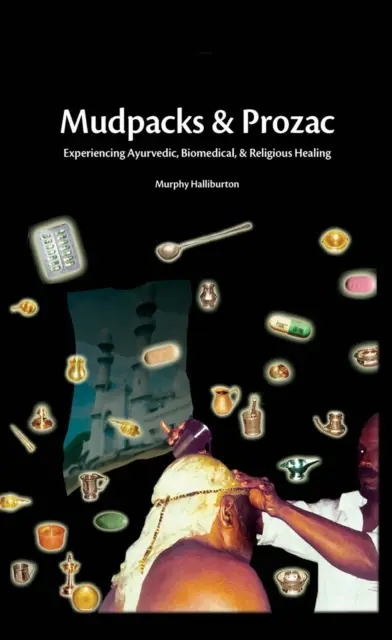
People seeking psychiatric healing choose from an almost dizzying array of therapies-from the medicated mud packs of Ayurveda, to the pharmacopeia of Western biomedicine, to the spiritual pathways of the world's religions. How do we choose, what do the treatments offer, and how do they cure? In Mudpacks and Prozac, Murphy Halliburton investigates the very different ways in which Ayurvedic, Western, and religious (Christian, Muslim, and Hindu) healing systems define psychiatric problems and cures. He describes people's embodied experiences of therapies that range from soothing to frightening, and explores how enduring pleasure or pain affects healing. And through evocative portraits of patients in Kerala, India-a place of incredible cultural diversity that has become a Mecca for alternative medicine-Halliburton shows how sociopolitical changes around the globe may be limiting the ways in which people seek and experience health care, with negative effects on our quality of health and quality of life.
Bibliographic data © Gardners Books Ltd.