EPUB · English
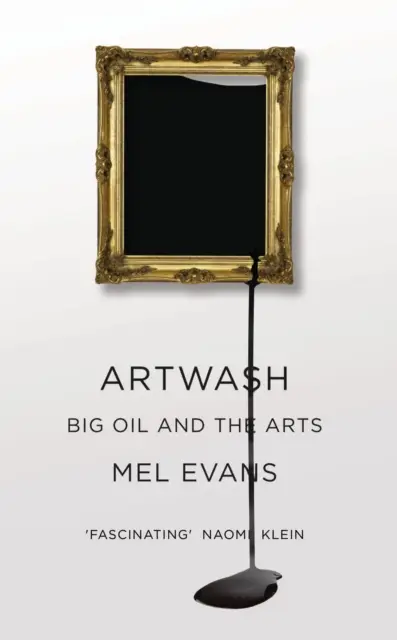
Artwash
Big Oil and the Arts
Price and availability
$10.99
Available in: Andorra, Austria, Australia, Belgium, Bulgaria, Canada, Switzerland, Cyprus, Czechia, Germany, Denmark, Estonia, Spain, Finland, France, United Kingdom, Guernsey, Greece, Croatia, Hungary, Ireland, Isle of Man, Iceland, Italy, Jersey, Japan, Liechtenstein, Lithuania, Luxembourg, Latvia, Monaco, Malta, Netherlands, Norway, Poland, Portugal, Romania, Sweden, Slovenia, Slovakia, San Marino, United States, Vatican City, South Africa
Stores: US, UK, Canada, EU, Australia.
Sign in to buyThe price is re-checked by the server before payment.
For personal use under the eBook licence.
- Format
- EPUB
- DRM
- Not stated by the publisher
- Language
- English
- Publisher
- Pluto Press
- Published
- 20 April 2015
- ISBN
- 9781783713332
- Subjects
- United Kingdom, Great Britain, The arts: general issues, Art: financial aspects, Museology & heritage studies, Social impact of environmental issues, United Kingdom, Great Britain, The arts: general topics, Art: financial aspects, Museology and heritage studies, Social impact of environmental issues
About this book
*Shortlisted for the Bread and Roses Prize, 2016* *Shortlisted for the Green Carnation Prize, 2015** Shortlisted for the Academy of British Cover Design Awards, 2015*Artwash is an intervention into the unsavoury role of the Big Oil company's sponsorship of the arts in Britain. Based on the high profile campaign 'Liberate Tate', Mel Evans targets Chevron, ExxonMobil, BP and Shell's collaboration with institutions such as the Tate in an attempt to end the poisonous relationship forever. Based on years of undercover research, grassroots investigation and activism as well as performance and cultural interventions, Mel Evans draws together the story of the campaign and its journey which has gone from strength to strength. Artwash shows how corporate sponsorship of the arts erases unsightly environmental destruction and obscures the strategies of oil company PR executives who rely on cultural philanthropy.The conclusion sounds a note of hope: major institutions (such as the Southbank Centre) have already agreed to cut sponsorship, and tribunals are happening which are taking these relationships to task. Artists and employees are developing new methods of work which publicly confront the oil companies. Like the anti-tobacco campaign before it, this will be an important cultural and political turn for years to come.
Bibliographic data © Gardners Books Ltd.