EPUB · English
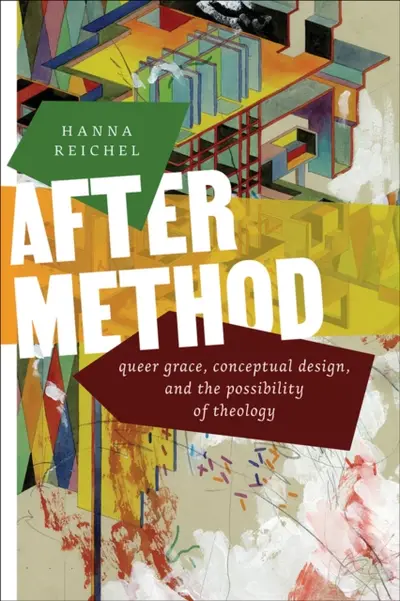
After Method
Queer Grace, Conceptual Design, and the Possibility of Theology
Price and availability
$48.99
Available in: Andorra, Austria, Australia, Belgium, Bulgaria, Canada, Switzerland, Cyprus, Czechia, Germany, Denmark, Estonia, Spain, Finland, France, United Kingdom, Guernsey, Greece, Croatia, Hungary, Ireland, Isle of Man, Iceland, Italy, Jersey, Japan, Liechtenstein, Lithuania, Luxembourg, Latvia, Monaco, Malta, Netherlands, Norway, Poland, Portugal, Romania, Sweden, Slovenia, Slovakia, San Marino, United States, Vatican City, South Africa
Stores: US, UK, Canada, EU, Australia.
Sign in to buyThe price is re-checked by the server before payment.
For personal use under the eBook licence.
- Format
- EPUB
- DRM
- Not stated by the publisher
- Language
- English
- Publisher
- Westminster John Knox Press
- Published
- 17 October 2023
- ISBN
- 9781646983490
- Subjects
- Calvinist, Reformed & Presbyterian Churches, Christian theology, Theology, Christianity
About this book
After Method assumes the impossibility of doing theology rightand moves beyond it. Organized as a conversation in two voiceswith systematic-theological commitments represented by Karl Barth and constructive-theological commitments represented by Marcella Althaus-Reidthis book calls the redemptive potential of any methodological program into question. Indeed, the search for a full and complete theological account of reality has only further fragmented theological discourse. Thus, Hanna Reichel argues that method cannot ';save' usbut that does not mean that we cannot do better. After Method harnesses the best insights systematic and constructive theologies have to offer in their mutual critique and gestures toward a ';better' theology. Utilizing architectural metaphor, Reichel pulls from systematic and constructive approaches to develop an understanding of theological work as conceptual design, responsibly ordering and structuring given materials for a purpose. This necessitates a more realistic adaptation to reality for theology, expanding its standards to encompass the experiences and perceptions of people and speaking the truth available to it. The honesty, humility, and solidarity generated through the failure of method liberates theology to a more playful and tentative cruising of different approaches and redirects its attention to ';misfits' and outsiders. Equally demanding and self-relativizing, the resultant ethos is better able to do justice to the reality of the world and the reality of God than doctrinal orthodoxy or methodological orthopraxy.
Bibliographic data © Gardners Books Ltd.