PDF · English
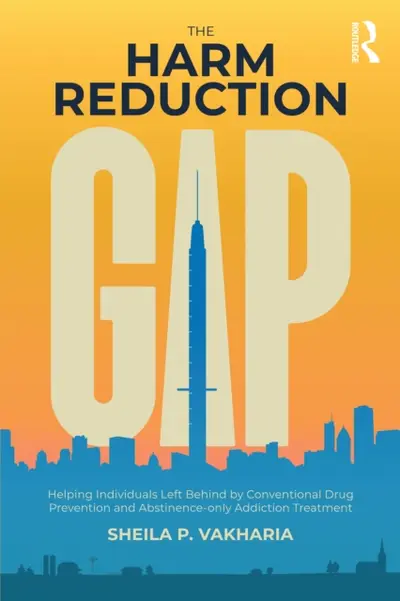
Harm Reduction Gap
Helping Individuals Left Behind by Conventional Drug Prevention and Abstinence-only Addiction Treatment
Price and availability
$28.99
Available in: Andorra, Austria, Australia, Belgium, Bulgaria, Canada, Switzerland, Cyprus, Czechia, Germany, Denmark, Estonia, Spain, Finland, France, United Kingdom, Guernsey, Greece, Croatia, Hungary, Ireland, Isle of Man, Iceland, Italy, Jersey, Japan, Liechtenstein, Lithuania, Luxembourg, Latvia, Monaco, Malta, Netherlands, Norway, Poland, Portugal, Romania, Sweden, Slovenia, Slovakia, San Marino, United States, Vatican City, South Africa
Stores: US, UK, Canada, EU, Australia.
Sign in to buyThe price is re-checked by the server before payment.
For personal use under the eBook licence.
- Format
- DRM
- Not stated by the publisher
- Language
- English
- Publisher
- Taylor and Francis Group
- Published
- 9 February 2024
- ISBN
- 9781003837008
- Subjects
- Illness & addiction: social aspects, Sociology, Crime & criminology, Psychology, Abnormal psychology, Criminology: legal aspects, Medical sociology, Psychotherapy, Addiction & therapy, Coping with drug & alcohol abuse, Drugs and alcohol: social aspects, Pressure groups, protest movements and non-violent action, Coping with / advice about addiction
About this book
This long-awaited book teaches how harm reduction can be a safety net for people with substance use disorders that our current addiction treatment rejects, abandons, and leaves behind.Harm reduction is an approach to helping people who engage in high-risk activities to develop the skills and strategies to keep them and their communities safe. This can include the provision of sterile equipment, low-threshold and low-barrier care, and the acceptance of non-abstinence goals in treatment. In this novel guide, Dr. Vakharia discusses the shortcomings of the dominant a Just Say Noa drug prevention messages and abstinence-only treatment approaches, introduces harm reduction strategies and technologies borne from people who use drugs themselves, and suggests various policy options available as alternatives to the current policies that criminalize drugs, drug-using equipment, and the settings in which people use drugs. The final chapter calls on the reader to destigmatize drug use and support efforts to reform our drug policies.By highlighting the large gap in our current approach to substance use the harm reduction gap this book is the first step for those interested in learning more about the limitations of our current approach to drug use and how to support local efforts to ensure people who use drugs and their communities can stay safe.
Bibliographic data © Gardners Books Ltd.