PDF · English
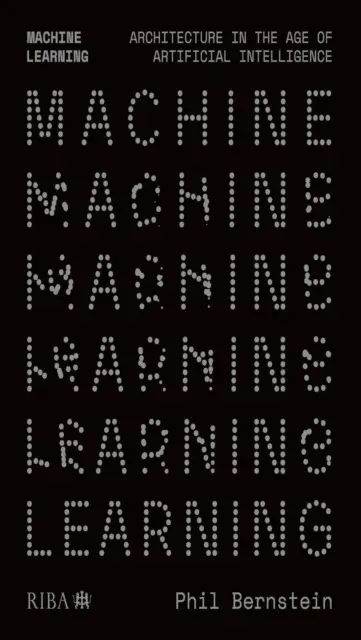
Machine Learning
Architecture in the age of Artificial Intelligence
Price and availability
$50.99
Available in: Andorra, Austria, Australia, Belgium, Bulgaria, Canada, Switzerland, Cyprus, Czechia, Germany, Denmark, Estonia, Spain, Finland, France, United Kingdom, Guernsey, Greece, Croatia, Hungary, Ireland, Isle of Man, Iceland, Italy, Jersey, Japan, Liechtenstein, Lithuania, Luxembourg, Latvia, Monaco, Malta, Netherlands, Norway, Poland, Portugal, Romania, Sweden, Slovenia, Slovakia, San Marino, United States, Vatican City, South Africa
Stores: US, UK, Canada, EU, Australia.
Sign in to buyThe price is re-checked by the server before payment.
For personal use under the eBook licence.
- Format
- DRM
- Not stated by the publisher
- Language
- English
- Publisher
- Taylor and Francis Group
- Published
- 30 April 2022
- ISBN
- 9781000600674
- Subjects
- Architecture, Theory of architecture, Architectural structure & design, Civil engineering, surveying & building, Artificial intelligence, Machine learning, Architecture, Civil engineering, surveying and building, Artificial intelligence (AI)
About this book
a The advent of machine learning-based AI systems demands that our industry does not just share toys, but builds a new sandbox in which to play with them. - Phil Bernstein The profession is changing. A new era is rapidly approaching when computers will not merely be instruments for data creation, manipulation and management, but, empowered by artificial intelligence, they will become agents of design themselves. Architects need a strategy for facing the opportunities and threats of these emergent capabilities or risk being left behind. Architectures best-known technologist, Phil Bernstein, provides that strategy. Divided into three key sections Process, Relationships and Results Machine Learning lays out an approach for anticipating, understanding and managing a world in which computers often augment, but may well also supplant, knowledge workers like architects. Armed with this insight, practices can take full advantage of the new technologies to future-proof their business. Features chapters on: Professionalism Tools and technologies Laws, policy and risk Delivery, means and methods Creating, consuming and curating data Value propositions and business models.
Bibliographic data © Gardners Books Ltd.